


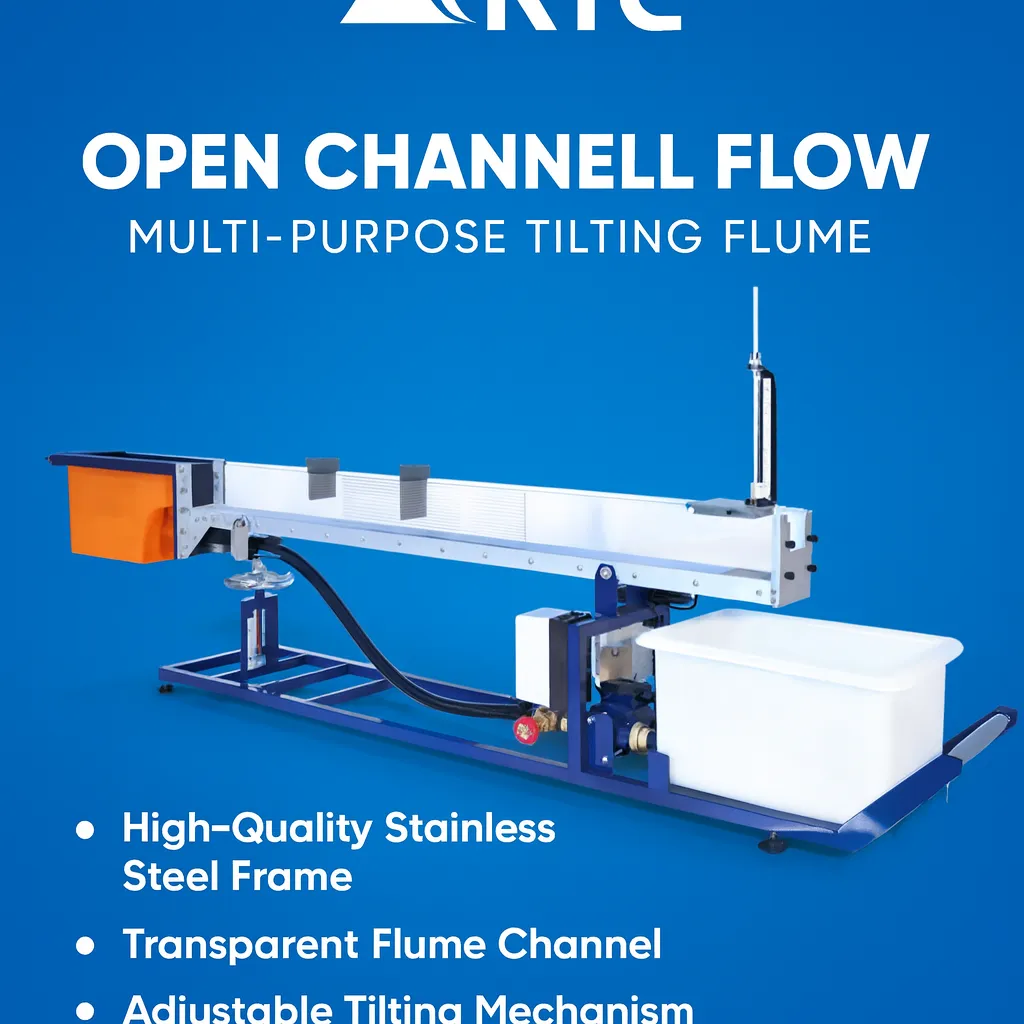
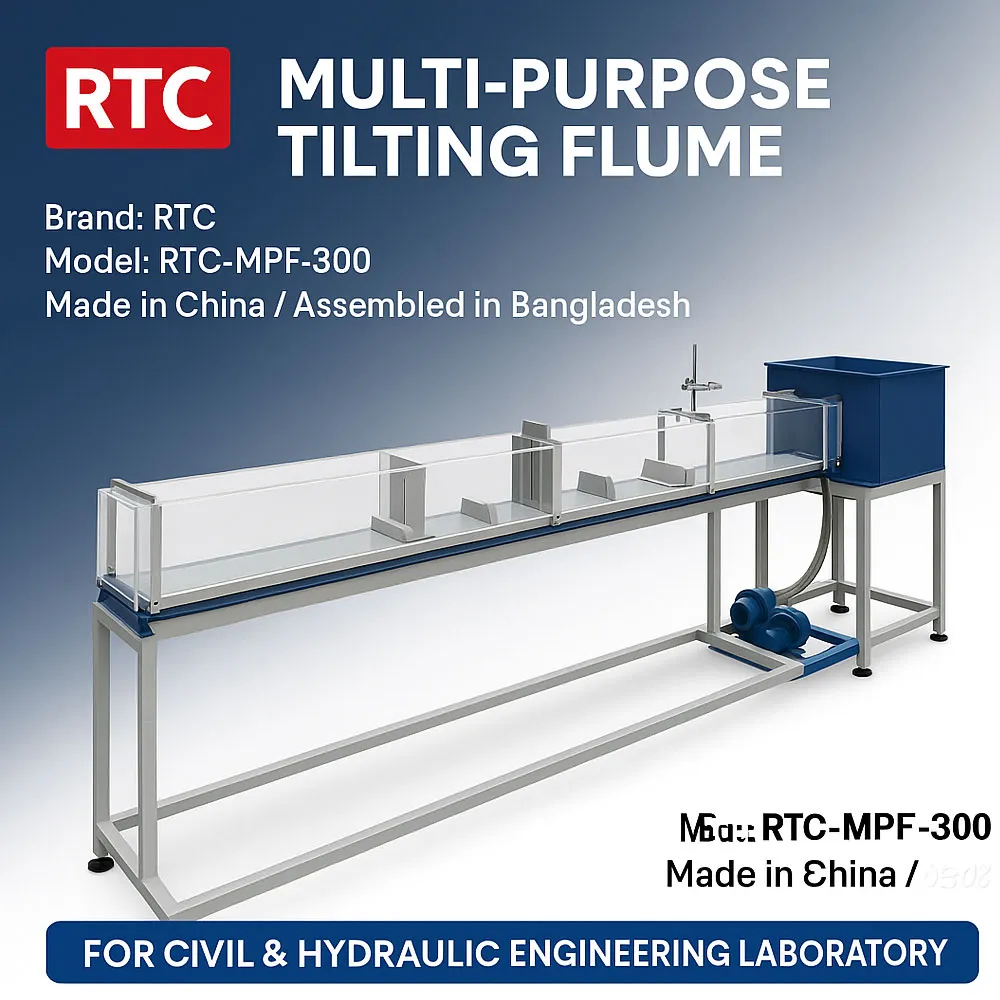
Open Channel Flow (Multi-Purpose Tilting Flume)
Original price was: ৳ 1,200,000.৳ 1,050,000Current price is: ৳ 1,050,000.
Open channel flow tilting flume used for hydraulic experiments, flow measurement, and water behavior analysis in laboratories.
The Open Channel Flow Tilting Flume is a multi-purpose laboratory apparatus designed for studying open channel hydraulics and fluid flow behavior. Civil engineering, water resources, and hydraulic engineering laboratories use this equipment to perform controlled experiments related to water flow, velocity distribution, energy loss, and flow regimes. Accurate observation of open channel flow is essential for understanding real-world hydraulic systems, and this tilting flume provides a reliable experimental platform.
This tilting flume allows precise adjustment of the channel slope, which helps users study the effect of bed gradient on flow characteristics. By changing the slope, students and researchers can observe variations in flow depth, velocity, and energy. As a result, the apparatus supports a wide range of hydraulic experiments under controlled laboratory conditions. Adjustable slope control improves experimental accuracy and repeatability.
The transparent channel section enables clear visual observation of water movement. Therefore, users can study flow patterns, surface profiles, hydraulic jumps, and wave formations directly. Visual observation plays an important role in understanding complex flow behavior, especially for educational and training purposes. Clear visibility also helps instructors demonstrate hydraulic concepts effectively.
The flume supports experiments related to uniform flow, gradually varied flow, and rapidly varied flow. Engineers and students use the apparatus to analyze Manning’s equation, Chezy’s equation, and flow resistance characteristics. Consequently, the equipment helps bridge theoretical knowledge with practical experimentation in fluid mechanics and hydraulic engineering courses.
The Open Channel Flow Tilting Flume is suitable for studying discharge measurement using different flow control devices. Users can integrate weirs, notches, and flow measuring sections to evaluate discharge coefficients and flow relationships. This flexibility allows laboratories to conduct multiple experiments using a single setup, which improves resource efficiency and learning outcomes.
The rigid structural frame ensures stability during operation. Even when water flows at higher velocities, the flume maintains alignment and level accuracy. Stable construction reduces vibration and measurement errors, which improves data reliability. Long-term structural stability also supports frequent use in academic laboratories.
Smooth internal surfaces help minimize flow disturbance and energy loss caused by surface roughness. Therefore, test results remain closer to theoretical expectations. Consistent flow conditions improve comparison between experimental and analytical results, which is important for academic evaluation and research accuracy.
The tilting mechanism allows smooth and controlled slope adjustment. Users can set the required gradient accurately and lock it securely during experiments. Controlled slope adjustment helps maintain steady experimental conditions throughout the testing process. This feature also enhances user safety and equipment longevity.
The apparatus is widely used in civil engineering departments, water resources laboratories, and hydraulic research centers. Universities and technical institutes rely on this tilting flume to teach open channel flow principles, hydraulic structures, and flow measurement techniques. Students gain practical exposure to real hydraulic behavior, which strengthens conceptual understanding.
Research laboratories use the tilting flume for experimental studies related to sediment transport, flow resistance, and channel behavior. Researchers can simulate different flow conditions and analyze water behavior under controlled settings. This capability supports academic research and applied hydraulic studies.
The Open Channel Flow Tilting Flume performs well in continuous laboratory use. Its durable construction supports repeated experiments without loss of accuracy. Proper maintenance and cleaning help preserve performance and extend service life. As a result, laboratories benefit from long-term usability and consistent results.
The apparatus supports practical learning, demonstration, and experimental analysis. Instructors can demonstrate hydraulic phenomena clearly, while students can conduct experiments independently. This hands-on learning approach improves comprehension and retention of hydraulic engineering concepts.
The equipment is suitable for use in teaching laboratories, research institutions, and training centers across Bangladesh. Its versatile design supports multiple experiments related to open channel flow and fluid mechanics. Therefore, it remains a valuable addition to hydraulic engineering laboratories.
Accurate open channel flow analysis supports real-world applications such as irrigation systems, drainage design, flood control, and river engineering. Understanding flow behavior in laboratory conditions helps engineers design safer and more efficient hydraulic systems. Consequently, the Open Channel Flow Tilting Flume contributes directly to engineering education and practical problem-solving.
This tilting flume is ideal for universities, engineering colleges, research laboratories, and professional training centers. Its reliable performance, adjustable design, and educational value make it a preferred choice for hydraulic and fluid mechanics studies.
For related hydraulic laboratory equipment and engineering teaching tools, visit https://rtcdhaka.com/product-category/laboratory-equipment/. For international references on open channel flow and hydraulic principles, refer to https://www.usbr.gov/tsc/techreferences/hydraulics_lab.html. Consequently, users can conduct accurate experiments, improve learning outcomes, and ensure dependable hydraulic analysis in laboratory environments.
Size Guide
Related Products

J Ring Test apparatus is used to test self compacted concrete flow ability.
It helps check passing ability under confined conditions.

Density spoon with handle is used for FDD and density testing.
It helps collect and measure material samples accurately.
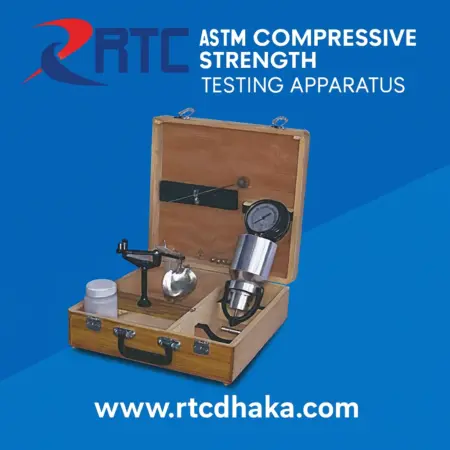
This moisture content test equipment is used to measure natural moisture in soil.
It is suitable for civil engineering and laboratory testing work.
-
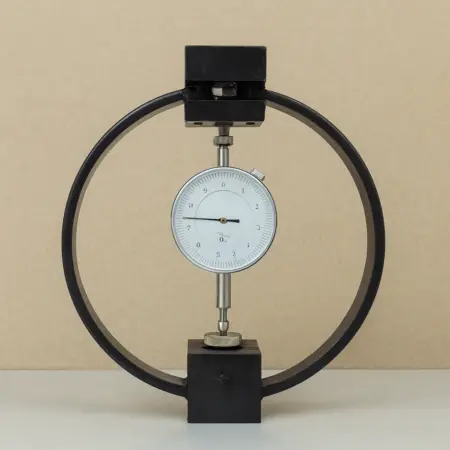
Proving Ring Apparatus
- ASTM Standard
- 2KN Load/Pressure Capacity
- Made in China
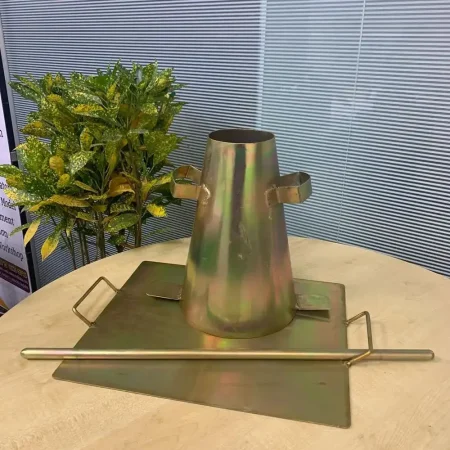
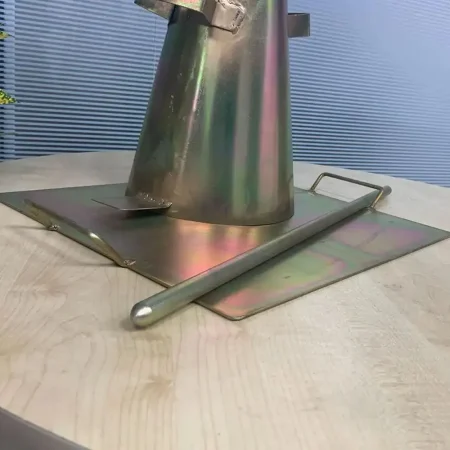
- Concrete Slump cone
- Cone size: 100mm x 200mm x 300mm
- Temping Rod Size: 600mm
- Base Plate Size: 410mm x 350mm
- Standard: ASTM Grade
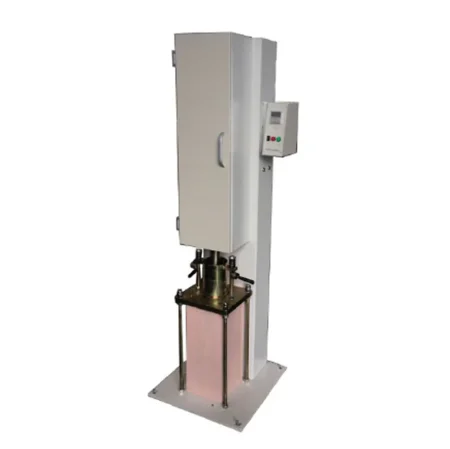
Manual for SC-A100-152 Automatic Soil Compactor
- Brand: SC-A100-152
- Brand: Citivest
- Manufacturer Country : China
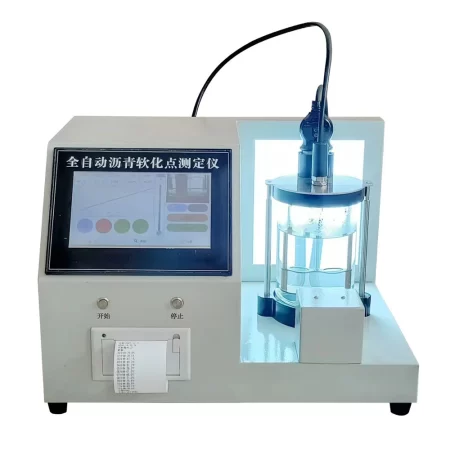
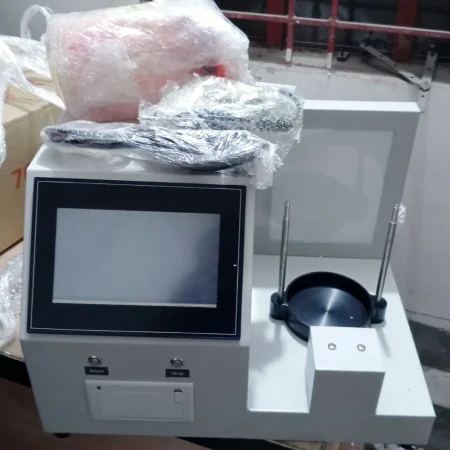
Digital Bitumen Softening Point Tester
or Bitumen Ring and Ball Tester
- Brand : ZHUOZHOU
- Model : STLL-7,
- Heating Power : 600w,
- Beaker Volume : 800ml
- Made in : China
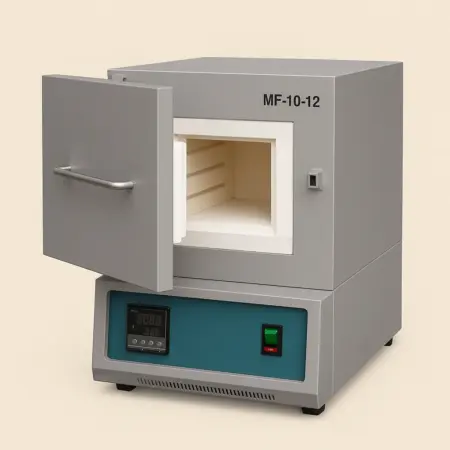
1200°C High-Temperature Electric Furnace is designed for laboratory heating, heat treatment, and material testing with precise temperature control.
3 in stock
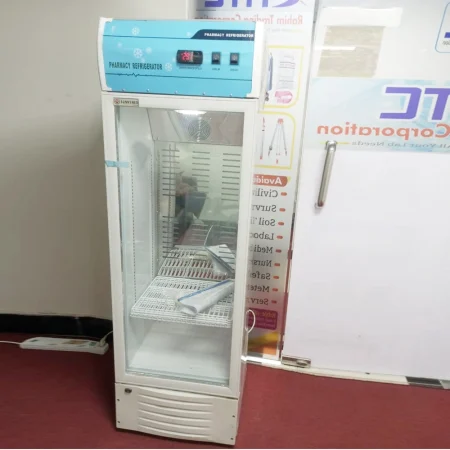
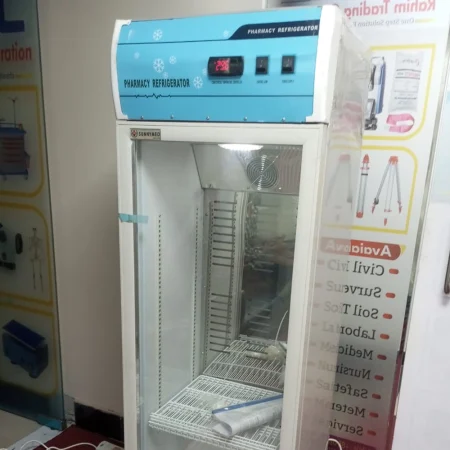
- Capacity: 218L,
- Inner Temperature: 4±1ºC,
- Brand : SunnyMed
- Blood bag Storage: 108 (200ml/b),
- Display accuracy: 0.1ºC
- Manufacturer Country : China
- Country of Origin : China

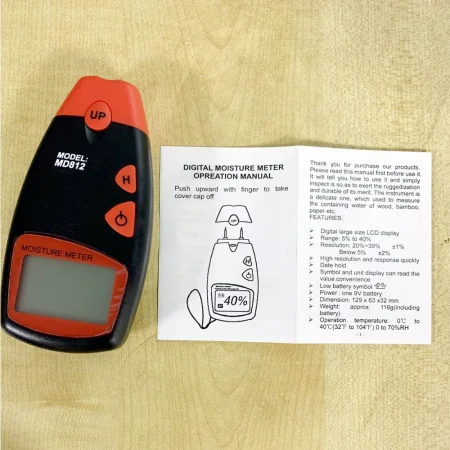
Wood Moisture Meter MD-812 is designed for accurate measurement of moisture content in wood for laboratory, inspection, and quality control use.
6 in stock