Soil Testing Equipment in Bangladesh – Complete Guide for Civil & Geotechnical Laboratories

Soil Testing Equipment in Bangladesh – Complete Guide for Civil & Geotechnical Laboratories

Soil testing is an essential part of civil engineering, geotechnical investigation, road construction, building foundation design, embankment construction, and quality control. Before starting a major construction project, engineers and laboratory technicians need reliable information about the physical and engineering properties of soil.

Soil Testing Equipment is used to determine important soil properties such as moisture content, particle size distribution, density, compaction characteristics, consistency limits, shear strength, bearing capacity, permeability, and other geotechnical parameters.

For civil engineering laboratories, universities, construction companies, geotechnical consultants, road projects, and research organizations, choosing the right soil testing laboratory equipment is important for obtaining consistent and reliable test results.

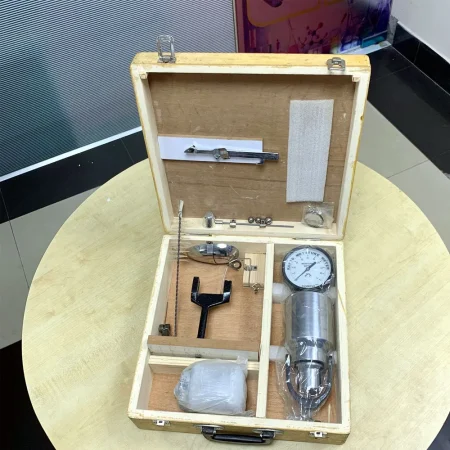
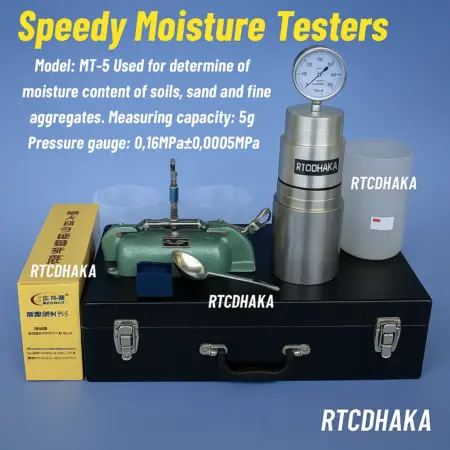
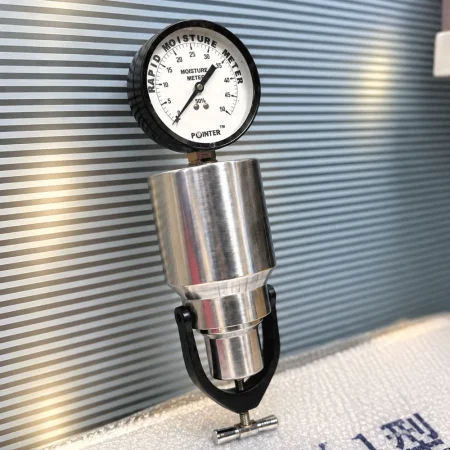
RTCDHAKA supplies a wide range of soil testing equipment in Bangladesh for laboratory and field applications.

What Is Soil Testing Equipment?

Soil testing equipment refers to laboratory and field instruments used to investigate the physical and engineering characteristics of soil.

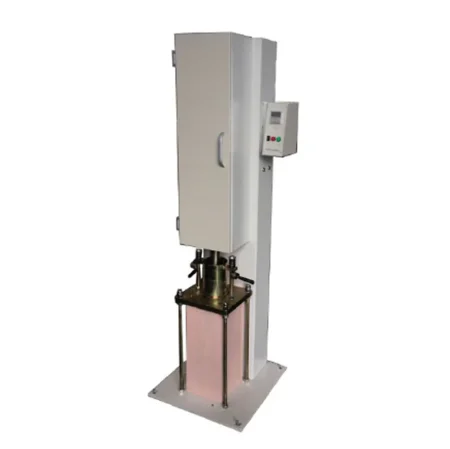
Depending on the required test, different equipment is used. For example, a Proctor Compaction Test Apparatus is used to study the relationship between moisture content and dry density, while a CBR apparatus is used for California Bearing Ratio testing.

Common soil testing equipment includes:

  • Proctor Compaction Test Apparatus
  • CBR Test Apparatus
  • Sand Density Cone Apparatus
  • Core Cutter Apparatus
  • Liquid Limit Apparatus
  • Plastic Limit Test Equipment
  • Soil Hydrometer
  • Soil Sieve Analysis Equipment
  • Direct Shear Test Apparatus
  • Consolidation Test Apparatus
  • Permeability Test Apparatus
  • Unconfined Compression Test Machine
  • Soil Penetrometer
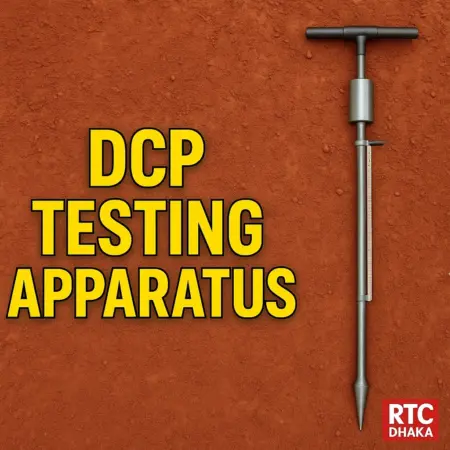
  • Dynamic Cone Penetrometer (DCP)
  • Standard Penetration Test (SPT) Equipment
  • Cone Penetration Test (CPT) Equipment

Different tests require different instruments, so equipment should be selected according to the laboratory’s testing requirements and applicable standards.

Why Is Soil Testing Important?

Soil is the foundation of almost every civil engineering structure. The performance and stability of a building, road, bridge, embankment, pavement, or other infrastructure can be affected by soil properties.

Soil testing helps engineers understand:

  • Soil classification
  • Moisture content
  • Particle-size distribution
  • Dry density
  • Maximum dry density
  • Optimum moisture content
  • Plasticity characteristics
  • Bearing capacity
  • Shear strength
  • Compressibility
  • Permeability
  • Field density
  • Compaction quality

Reliable soil test results can help engineers make better decisions during foundation design, pavement construction, earthwork, embankment construction, and quality control.

Major Types of Soil Testing Equipment

1. Proctor Compaction Test Equipment

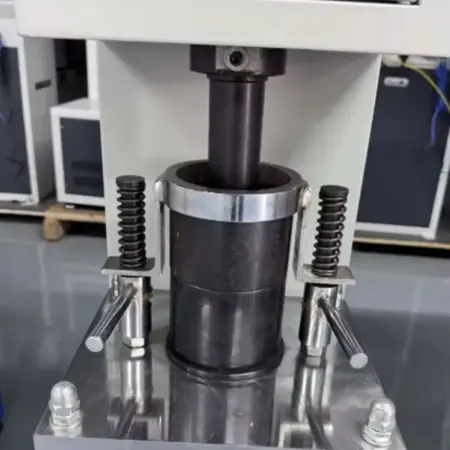
The Proctor compaction test is one of the most common laboratory tests performed on soil.

A Proctor Compaction Test Apparatus is used to determine the relationship between molding water content and dry unit weight of soil. ASTM D698 covers laboratory compaction characteristics using standard effort, while ASTM D1557 covers modified-effort compaction.

Proctor testing is widely used for:

  • Road construction
  • Embankment projects
  • Earthwork quality control
  • Foundation projects
  • Pavement construction
  • Soil stabilization studies

Both manual and automatic soil compactors are available depending on laboratory requirements.

2. CBR Test Apparatus

cbr soil test apparatus with touch screen for laboratory testing

Professional CBR soil test apparatus with touch screen control

The California Bearing Ratio (CBR) Test Apparatus is widely used in pavement and highway engineering to evaluate the strength characteristics of soil and subgrade materials.

CBR testing is particularly useful for:

  • Road subgrade evaluation
  • Highway construction
  • Pavement design
  • Soil stabilization
  • Construction quality control

A complete CBR testing setup may include a CBR mould, penetration piston, loading frame, proving ring or load cell, dial gauges, and associated accessories.

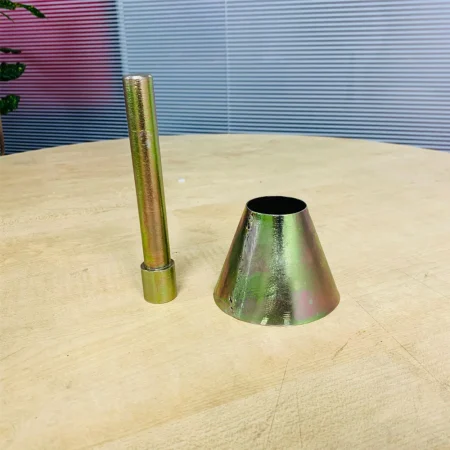
3. Sand Density Cone Apparatus

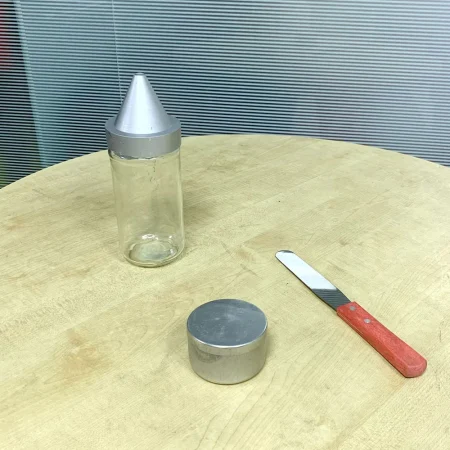
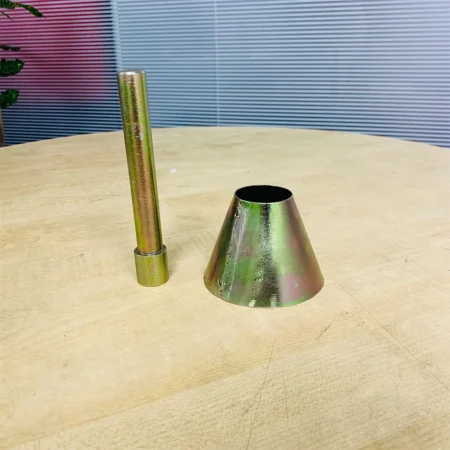
Density-determination-BD-pr-1.webpThe Sand Density Cone Apparatus is used for field density testing of compacted soil.

It can be used to determine the in-place density and unit weight of soil at construction sites. ASTM D1556/D1556M addresses density and unit weight of soil in place by the sand-cone method.

Typical applications include:

  • Road construction
  • Embankment construction
  • Structural backfill
  • Earthwork quality control
  • Compaction verification
  • Field density testing is particularly important when a project requires verification that compacted soil has achieved the specified density.

4. Core Cutter Apparatus

diamond core drilling bit for concrete drilling applications

Professional diamond core drilling bit for construction work

A Core Cutter Apparatus is commonly used for determining the in-situ density of cohesive soil where the test method and soil conditions are appropriate.

It is commonly used in:

  • Road projects
  • Earthwork
  • Soil compaction control
  • Civil engineering field investigations
  • The equipment generally consists of a cylindrical cutter and associated tools required for obtaining a soil sample of known volume.

5. Liquid Limit and Plastic Limit Equipment

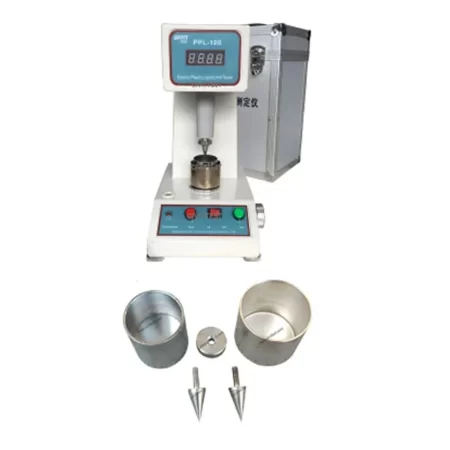
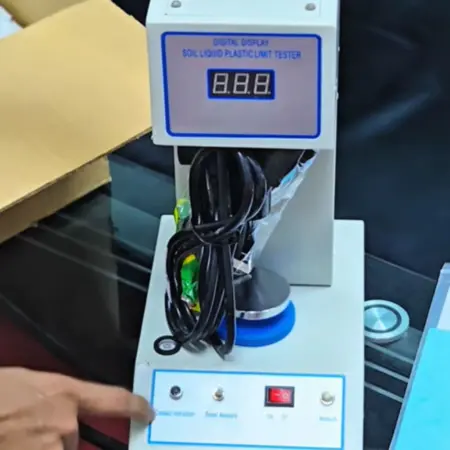
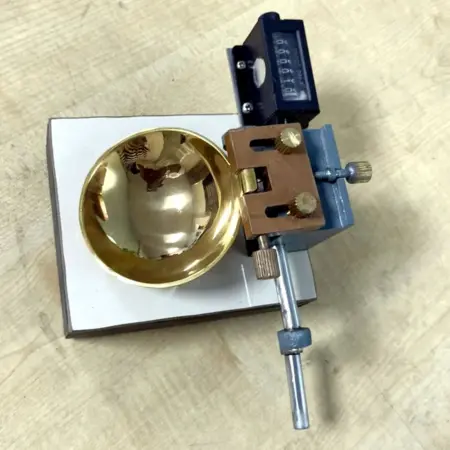
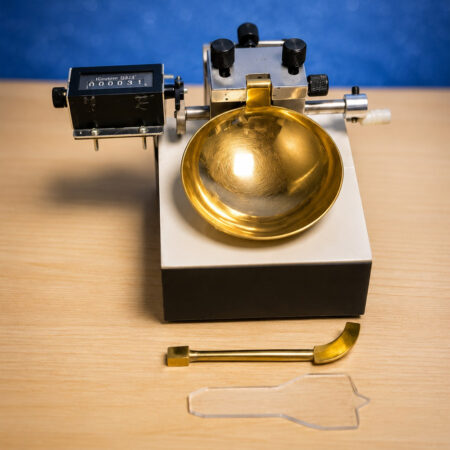
liquid limit test equipment for soil testingThe liquid limit and plastic limit tests are important for determining the consistency characteristics of fine-grained soils.

The Casagrande Liquid Limit Apparatus and plastic limit accessories are commonly used for Atterberg limits testing. ASTM D4318 covers the determination of liquid limit, plastic limit, and plasticity index of soils.

These tests are useful for:

  • Soil classification
  • Geotechnical investigations
  • Foundation studies
  • Road construction
  • Soil behavior analysis

6. Soil Hydrometer

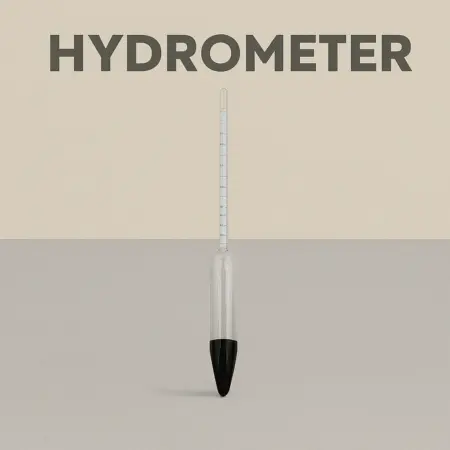
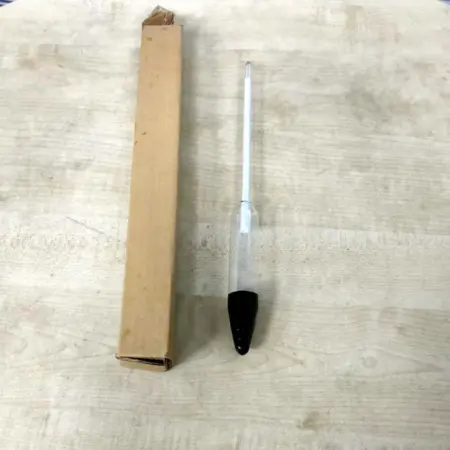
Hydrometer Jar, Sedimentation Cylinder, Soil Testing Hydrometer JarA Soil Hydrometer is used for sedimentation analysis of fine-grained soil particles.

Hydrometer analysis can help determine the distribution of fine particles in soil, particularly the silt and clay fraction. ASTM’s soil and aggregate testing programs include sedimentation/hydrometer analysis as part of commonly used soil testing methods.

RTCDHAKA supplies soil hydrometers for laboratory applications, including models referenced to ASTM hydrometer specifications.

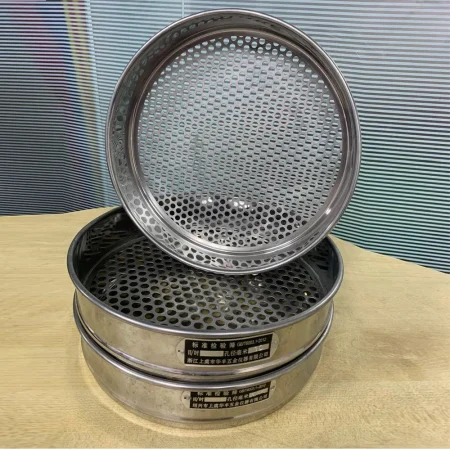
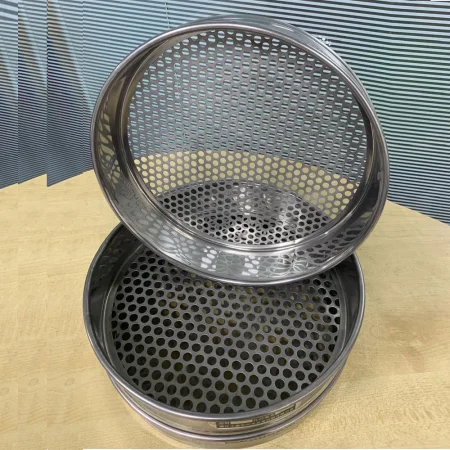
7. Soil Sieve Analysis Equipment

Sieve analysis is used to determine the particle-size distribution of soil and granular materials.

A typical soil sieve analysis setup may include:

  • Test sieves
  • Sieve pan
  • Sieve cover
  • Balance
  • Sieve shaker
  • Brushes and accessories
  • Particle-size distribution is an important part of soil classification and geotechnical investigation.

ASTM identifies D6913 as a standard method for particle-size distribution of soils using sieve analysis.

8. Direct Shear Test Apparatus

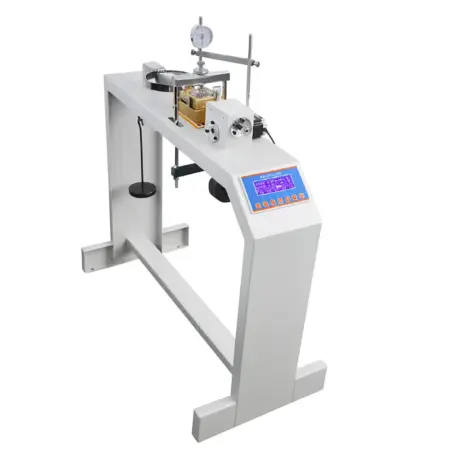
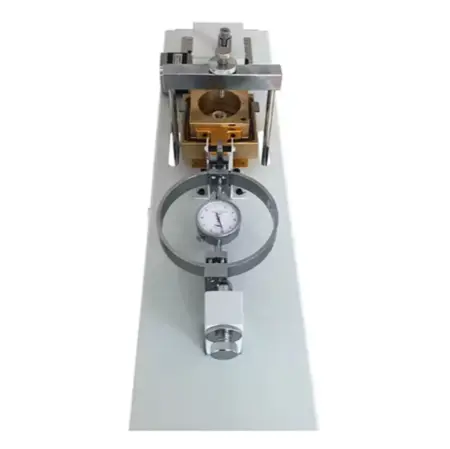
Main image alt text: Digital Direct Shear Apparatus for soil testing Additional image alt text: Soil direct shear apparatus used in geotechnical laboratoryThe Direct Shear Test Apparatus is used to investigate the shear strength behavior of soil under controlled laboratory conditions.

It can be useful for geotechnical studies involving:

  • Foundation engineering
  • Slope stability
  • Retaining structures
  • Soil strength evaluation
  • Geotechnical research
  • The equipment may be available in manual or motorized configurations depending on the laboratory’s requirements.

9. Consolidation Test Apparatus

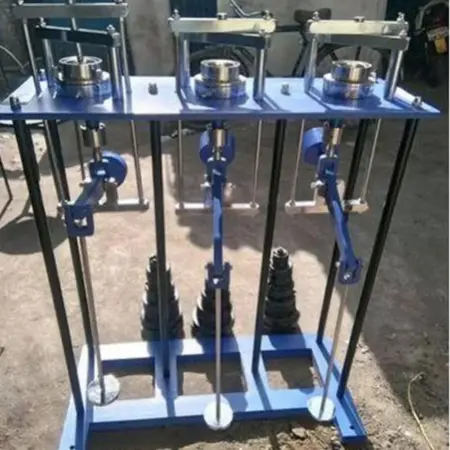
Soil consolidation testing is important when engineers need to understand how soil compresses under applied loading.

A Consolidation Test Apparatus can be used in geotechnical laboratories to investigate settlement-related characteristics of soil.

This information can be useful in:

  • Foundation design
  • Settlement analysis
  • Soft soil investigations
  • Geotechnical research
  • Building and infrastructure projects
  • 10. Permeability Test Equipment

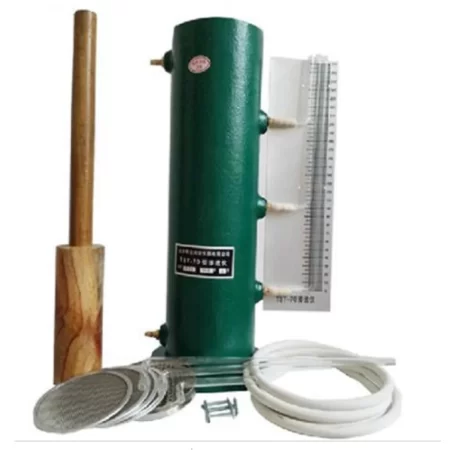
Soil permeability testing helps engineers evaluate how water moves through soil.

Depending on soil type and test requirements, different permeability apparatus may be used.

Permeability information is useful for:

  • Drainage studies
  • Foundation engineering
  • Earth dams
  • Groundwater-related investigations
  • Soil mechanics research

ASTM’s current geotechnical standards include laboratory methods for hydraulic conductivity and related soil-water behavior.

Soil Testing Equipment Standards

When purchasing laboratory equipment, it is important to identify the applicable testing standard before ordering.

Common ASTM standards associated with soil testing include:

Test / Application Example ASTM Standard
Standard Proctor Compaction ASTM D698
Modified Proctor Compaction ASTM D1557
Liquid Limit / Plastic Limit ASTM D4318
Soil Sieve Analysis ASTM D6913
Soil Hydrometer Analysis ASTM D7928
Sand-Cone Field Density ASTM D1556/D1556M

ASTM Committee D18 covers standards related to soil, rock, and associated geotechnical materials.

Important: The applicable standard should always be checked against the current edition required by the project, client, consultant, or laboratory specification.

How to Choose the Right Soil Testing Equipment

Before buying soil testing equipment in Bangladesh, consider the following factors.

1. Identify the Required Test

First determine which tests your laboratory needs to perform.

For example:

  • Compaction → Proctor equipment
  • Pavement strength → CBR equipment
  • Field density → Sand Cone or Core Cutter equipment
  • Consistency limits → Liquid/Plastic Limit equipment
  • Particle size → Sieve and Hydrometer equipment
  • Shear strength → Direct Shear equipment
  • Consolidation → Consolidation apparatus
  • Permeability → Permeability apparatus

2. Check the Required Standard

Always confirm the required ASTM, AASHTO, BS, EN, or project-specific standard before purchasing.

3. Consider Manual vs Automatic Equipment

Manual equipment can be suitable for basic laboratory applications and educational purposes.

Automatic equipment can be useful for laboratories that require higher testing efficiency, repeatability, and reduced operator involvement.

4. Check Construction Quality

Laboratory equipment should be manufactured with appropriate materials and dimensional accuracy for the intended test.

Steel components, moulds, loading systems, gauges, electronic controls, and other precision components should be checked according to the applicable specification.

5. Consider After-Sales Support

For professional laboratories, purchasing equipment is only one part of the process.

Availability of:

  • Spare parts
  • Technical support
  • Calibration support
  • User manuals
  • Accessories
  • Replacement components

can be important for long-term laboratory operation.

Soil Testing Equipment Price in Bangladesh

The soil testing equipment price in Bangladesh depends on the type of equipment, brand, specifications, testing standard, manual or automatic configuration, accessories, and quantity.

For example, a basic soil hydrometer is significantly different in price from a complete automatic CBR testing machine or a motorized consolidation testing system.

Therefore, instead of comparing price alone, laboratories should compare:

Specification + Standard + Accuracy + Accessories + Warranty/Support + Total Cost

For institutional, project, or bulk purchases, buyers can also request a quotation based on the required equipment list.

Soil Testing Equipment Supplier in Bangladesh

RTCDHAKA supplies a range of soil testing laboratory equipment in Bangladesh for civil engineering laboratories, universities, construction companies, consultants, research organizations, and field testing applications.

Our soil testing equipment range includes products for:

  • Soil classification
  • Compaction testing
  • CBR testing
  • Field density testing
  • Particle-size analysis
  • Atterberg limits
  • Shear strength testing
  • Consolidation testing
  • Permeability testing
  • Geotechnical investigation
  • Why Choose RTCDHAKA?

RTCDHAKA focuses on supplying laboratory and engineering equipment with practical support for customers in Bangladesh.

Customers can contact RTCDHAKA for:

  • Soil testing equipment
  • Civil laboratory equipment
  • Geotechnical testing equipment
  • Testing machine specifications
  • Product quotations
  • Bulk/project requirements
  • Technical information
  • Equipment accessories

Frequently Asked Questions About Soil Testing Equipment

What is soil testing equipment used for?

Soil testing equipment is used to determine the physical and engineering properties of soil, including density, moisture content, particle-size distribution, compaction, consistency, strength, consolidation, and permeability.

Which soil testing equipment is commonly used in civil engineering laboratories?

Common equipment includes Proctor Compaction Apparatus, CBR Apparatus, Sand Density Cone, Core Cutter, Liquid Limit Apparatus, Plastic Limit Equipment, Soil Hydrometer, Sieve Analysis Equipment, Direct Shear Apparatus, Consolidation Apparatus, and Permeability Testing Equipment.

Where can I buy soil testing equipment in Bangladesh?

Soil testing equipment for civil engineering and geotechnical laboratories can be purchased from specialized laboratory equipment suppliers such as RTCDHAKA. Product specifications and applicable standards should be checked before purchasing.

What standard is used for Proctor compaction testing?

ASTM D698 covers standard-effort laboratory compaction characteristics of soil, while ASTM D1557 covers modified-effort laboratory compaction characteristics.

What equipment is used for field density testing?

Depending on the selected test method and project requirements, equipment such as a Sand Density Cone Apparatus or Core Cutter Apparatus may be used.

How do I choose the best soil testing equipment?

Choose equipment according to the required test method, applicable standard, sample type, laboratory workload, accuracy requirements, available accessories, and after-sales technical support.

Explore Soil Testing Equipment from RTCDHAKA

If you are setting up a new soil testing laboratory, upgrading an existing civil engineering laboratory, or purchasing equipment for a construction or geotechnical project, selecting the correct testing instruments is essential.

RTCDHAKA offers a growing range of Soil Testing Equipment in Bangladesh for laboratory and field applications.

Explore the RTCDHAKA Soil Testing Equipment category to find equipment for compaction, CBR, density, particle-size analysis, Atterberg limits, geotechnical testing, and other soil testing applications.

Need a quotation for soil testing equipment? Contact RTCDHAKA with your required test list, quantity, and applicable standard. Our team can help you identify suitable equipment for your laboratory or project.

Related RTCDHAKA Products

  • CBR Mold and Accessories
  • Liquid Limit & Plastic Limit Test Equipment
  • Soil Hydrometer
  • Sand Density Cone Apparatus
  • Proctor Compaction Test Apparatus
  • Soil Penetrometer
  • Dynamic Cone Penetrometer
  • Soil Sieve Test Equipment
  • Consolidation Test Apparatus
  • Direct Shear Test Apparatus

Conclusion

Reliable Soil Testing Equipment is essential for accurate geotechnical investigation, civil engineering laboratory testing, road construction, foundation studies, and construction quality control.

From Proctor compaction and CBR testing to field density, particle-size analysis, Atterberg limits, consolidation, permeability, and shear strength testing, each test requires the appropriate equipment and testing procedure.

When purchasing soil testing equipment in Bangladesh, consider the required test method, current applicable standard, equipment specification, construction quality, accessories, calibration requirements, and after-sales support.

RTCDHAKA provides a wide range of soil testing and civil laboratory equipment for customers across Bangladesh.

For product specifications, availability, quotation, or laboratory equipment requirements, contact RTCDHAKA – Rahim Trading Corporation.

Website: https://rtcdhaka.com/
Soil Testing Equipment: https://rtcdhaka.com/product-category/soil-testing-equipment/

Soil Test Laboratory
Close
Products
Close My Cart
Close Wishlist
Recently Viewed Close
Close

Close
Navigation
Categories