

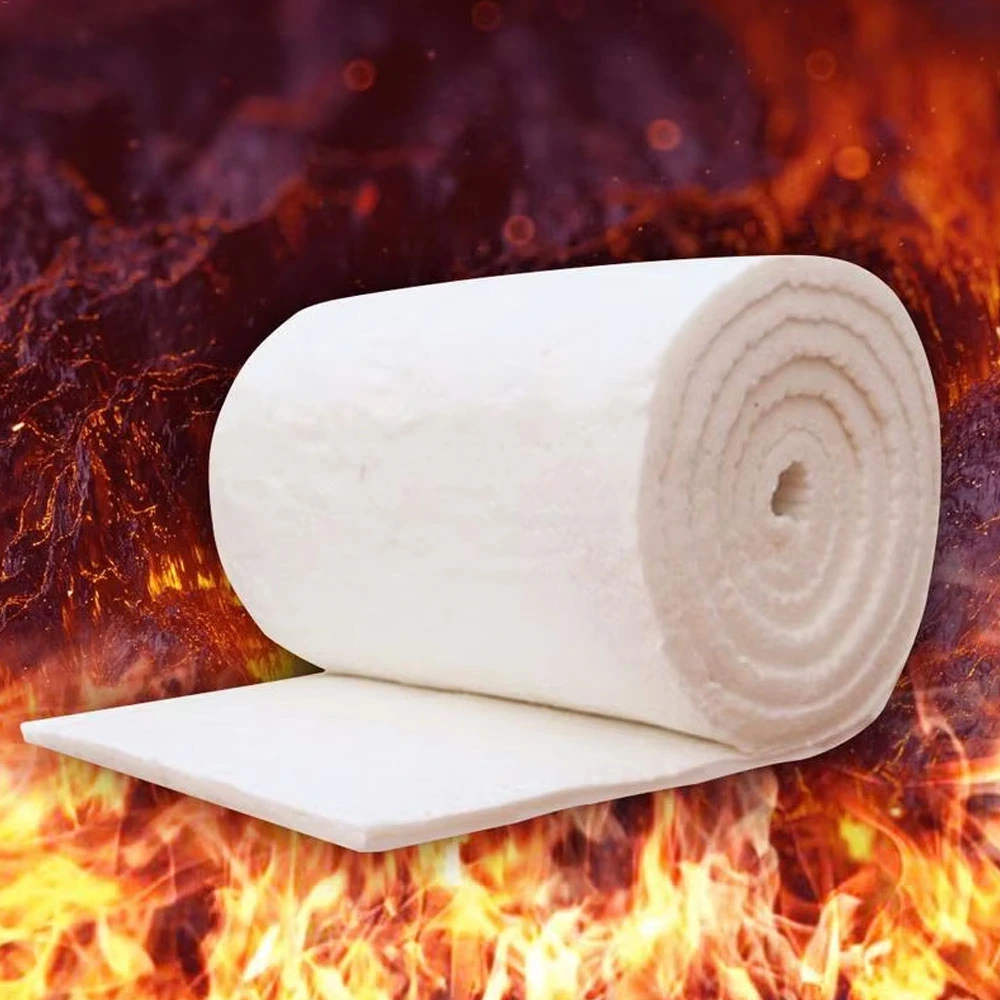


HST Insulation blanket price in Bangladesh
High-performance HST insulation blanket for reliable high temperature thermal protection.Ideal for industrial, laboratory, and construction applications.
HST Insulation Blanket উচ্চ তাপমাত্রায় তাপ নিরোধক নিশ্চিত করার জন্য ব্যবহৃত একটি কার্যকর থার্মাল ইনসুলেশন সমাধান। এটি ইন্ডাস্ট্রিয়াল, ল্যাবরেটরি এবং নির্মাণ পরিবেশে তাপ ক্ষতি কমাতে, নিরাপত্তা বাড়াতে এবং যন্ত্রপাতির স্থায়িত্ব বজায় রাখতে গুরুত্বপূর্ণ ভূমিকা রাখে, ফলে উচ্চ তাপমাত্রার কাজে নির্ভরযোগ্য পারফরম্যান্স নিশ্চিত হয়।
Original price was: ৳ 11,500.৳ 10,500Current price is: ৳ 10,500.
| Product Name | HST Insulation Blanket |
|---|---|
| Brand | No Brand |
| Manufacture Country | China |
| Product Type | High Temperature Insulation Blanket |
| Material | High Temperature Resistant Fiber |
| Temperature Resistance | Suitable for high temperature insulation |
| Application | Industrial furnace, laboratory, construction and heat protection |
| Usage | Thermal insulation and heat protection |
| Form | Roll Type Blanket |
| Features | Lightweight, fire resistant, durable, easy to install |
The HST Insulation Blanket is a high temperature insulation material used in furnaces, kilns, boilers, and industrial heat processing systems. Industries use this blanket to control heat loss, improve energy efficiency, and protect equipment exposed to elevated temperatures.
Manufacturers produce the HST insulation blanket from heat-resistant fibers that maintain stable performance under continuous thermal stress. The material withstands high operating temperatures while helping to reduce external surface heat. Its flexible structure allows technicians to install it easily on flat, curved, and irregular surfaces without complex preparation.
Industrial facilities use this insulation blanket as furnace lining insulation, backup insulation layers, and thermal barriers. Steel plants, cement factories, power plants, and process industries rely on this material to maintain consistent operating temperatures. By limiting heat leakage, the blanket supports stable process conditions and improves overall system efficiency.
The HST insulation blanket performs well during repeated heating and cooling cycles. It resists thermal shock and maintains structural integrity over extended use. Its low thermal conductivity helps conserve energy, while its lightweight design reduces stress on furnace walls and supporting structures. These properties make it suitable for both new installations and maintenance work.
RTC Dhaka supplies HST insulation blanket to industrial users across Bangladesh who require dependable thermal insulation for high temperature environments. The product supports long-term industrial operation where consistent insulation performance is essential.
Selecting the correct thickness and installing the blanket according to application requirements ensures optimal results. Proper use helps extend equipment life, improve workplace safety, and reduce energy consumption in industrial facilities.